
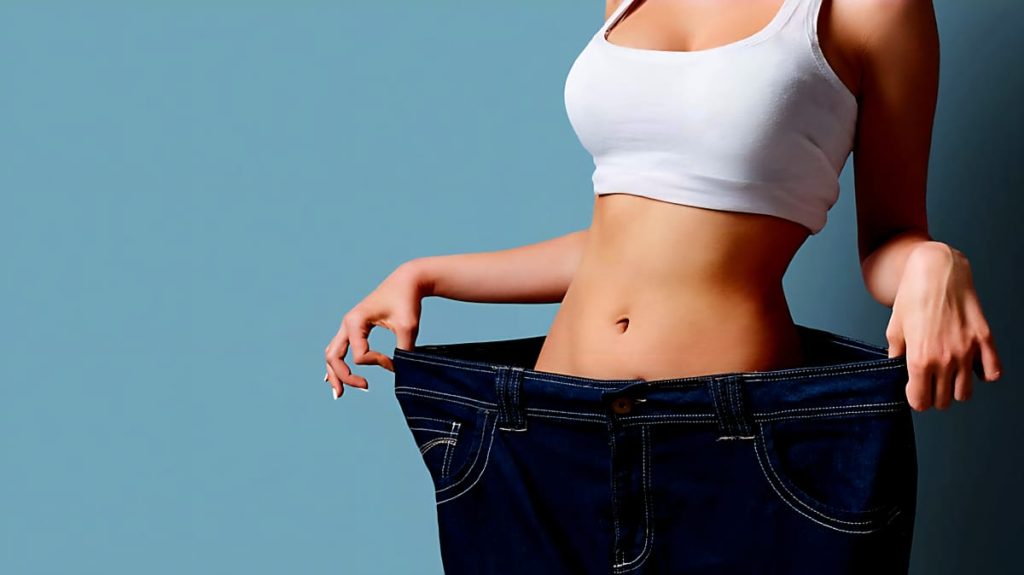
In today’s world, physical appearance is a major focus of conversation—and Kenya is no exception. From social media platforms to real-life conversations, weight and appearance have become central to how people perceive themselves and others.
While body image concerns were once considered Western issues, they are now deeply rooted in Kenyan society too. More people are trying to lose weight, shape their bodies, or look a certain way—often influenced by beauty trends, peer pressure, or health concerns. But is the obsession with looks healthy? And how are cultural beliefs shaping how Kenyans view weight?
Let’s take a closer look at the evolving attitudes toward weight and appearance in Kenya, and how to strike a healthy balance between looking good and feeling great.
Traditional Views vs. Modern Influences on weight and appearance
Historically, being “big” in many Kenyan communities was associated with wealth, health, and status. A fuller body was seen as a sign of good living, especially in rural areas. In some communities, newly married women were even encouraged to gain weight as a symbol of prosperity.
However, this perception has drastically shifted over the past two decades. With the rise of social media, fitness culture, and global beauty standards, thinness is often praised—especially among the younger generation. As a result, many Kenyans are now more concerned with their weight and appearance than ever before.
This change is especially visible in urban areas like Nairobi, Mombasa, and Kisumu, where gyms, weight-loss products, and cosmetic treatments are growing in popularity.
The Role of Social Media on perception of weight and beauty.
Platforms like Instagram, TikTok, and Facebook are playing a huge role in shaping how people feel about their bodies. Influencers post images of “perfect” bodies, often promoting weight-loss teas, fitness plans, or cosmetic enhancements.
While some of this content is inspirational, it can also create unrealistic expectations. Many young Kenyans, especially women, now feel pressure to look slimmer, curvier, or “Instagram-ready.” Men, too, are increasingly conscious of having six-packs or muscular physiques.
Unfortunately, this pressure can lead to body shaming, low self-esteem, and even unhealthy practices such as crash diets or over-exercising.
Health vs. Aesthetics: Where’s the Line?
There’s no doubt that maintaining a healthy weight is important. Excess body weight increases the risk of lifestyle diseases like diabetes, hypertension, and heart disease—issues that are on the rise in Kenya.
However, the challenge arises when the focus shifts purely to appearance, rather than health. Some people are willing to go to extreme lengths—starving themselves, using unapproved slimming pills, or undergoing risky surgeries—all in the name of beauty.
A healthy lifestyle should be about feeling better, gaining energy, and preventing illness—not just achieving a certain body shape. When we link weight and appearance too closely, we often forget what really matters: wellness, self-confidence, and balance.
Cultural Pressures and Body Image.
Different communities in Kenya have different standards of beauty. In some rural areas, weight is still viewed positively, while in urban spaces, slim is often seen as “ideal.” As a result, people moving from villages to cities may experience a cultural clash when it comes to body expectations.
Moreover, young people in schools and universities face teasing or bullying based on their body size. Being “too thin” or “too fat” can attract judgment, leading to mental stress and social anxiety.
Building a Healthy Relationship with Weight and Appearance.
If you want to improve how you look or feel, it’s important to approach it the right way. Here are some practical tips for maintaining a positive attitude toward your body:
- Focus on Health, Not Size.
Eat nutritious foods, stay active, and get enough sleep. A healthy body looks and feels better, regardless of size.
- Avoid Comparing Yourself.
Everyone’s body is different. What works for someone else may not work for you—and that’s okay.
- Be Critical of Social Media.
Remember, many images online are edited or filtered. Don’t let them define your self-worth.
- Celebrate Progress.
Whether it’s eating better or feeling more confident, small wins matter.
- Seek Support.
If you’re struggling with body image, talk to a friend, counselor, or healthcare provider.
Final Take.
The conversation around weight and appearance in Kenya is changing rapidly. While it’s important to look after our bodies, it’s equally important not to lose ourselves in unrealistic standards. Beauty is diverse, and health should always come first.
Kenya’s cultural richness, evolving urban life, and growing awareness of fitness and wellness offer a great opportunity to redefine what it means to be beautiful. At the end of the day, confidence, self-love, and good health are what truly make us shine—inside and out.
Be kind to your body. Celebrate it. Improve it, if you must—but always from a place of self-care, not self-criticism.
