
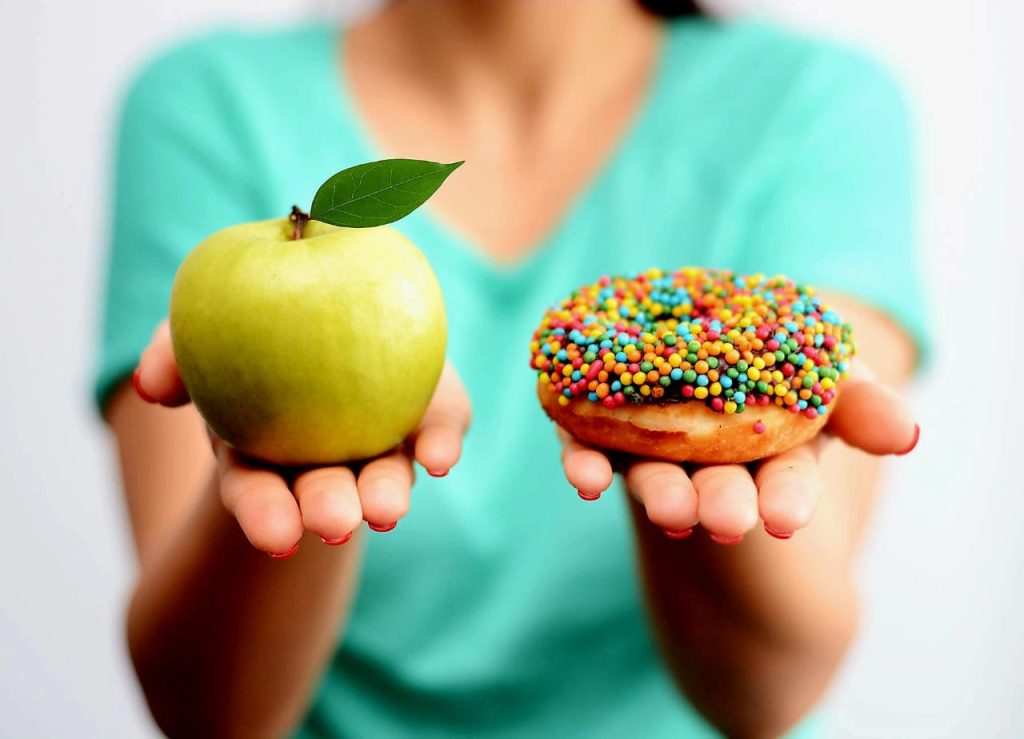
When it comes to shedding extra kilos and improving overall health, sugar is one of the most talked-about ingredients. But not all sugar is created equal. Some sugars can fuel your body and support healthy eating, while others can stall your progress and increase fat storage. So, what’s the real story about sugar in relation to weight loss?
Let’s break it down and uncover the difference between good sugar and bad sugar—and how both affect your ability to lose weight and stay healthy.
Understanding Sugar: Natural vs. Added.
First, it’s important to understand that sugar is a type of carbohydrate that provides energy. It occurs naturally in many whole foods like fruits, vegetables, and dairy. However, sugar is also added to a wide variety of processed foods and drinks, which is where most of the health concerns begin.
There are two main types of sugar:
- Natural (Good) Sugar.
These sugars are found naturally in whole foods, along with fiber, vitamins, and minerals. The body digests them more slowly, providing steady energy.
Sources include:
Fresh fruits (like bananas, mangoes, apples)
Vegetables (like carrots and beets)
Dairy (like milk and plain yogurt)
- Added (Bad) Sugar.
These sugars are added during processing or preparation. They offer empty calories—meaning they have no nutritional value—and are quickly absorbed, leading to blood sugar spikes and crashes.
Sources include:
Sugary drinks (soda, energy drinks, sweetened juices).
Baked goods (cakes, biscuits, doughnuts).
Candy and chocolates.
Sweetened cereals.
Sugar in Relation to Weight Loss.
The key issue with sugar in relation to weight loss lies in how it affects metabolism, cravings, fat storage, and energy levels.
- Bad Sugar Leads to Fat Storage.
When you consume too much added sugar, your liver converts the excess into fat. This fat is stored, particularly around the belly. Over time, this increases your body weight and raises your risk of lifestyle diseases.
- Sugar Spikes Cause Cravings.
Bad sugar is digested quickly, causing your blood sugar to rise sharply and then crash. This crash often leads to hunger and sugar cravings, making it hard to stick to a calorie-controlled diet.
- Natural Sugar Supports Energy.
In contrast, good sugars found in fruits and vegetables come with fiber, which slows down digestion. This gives you a steady supply of energy and keeps you full for longer—supporting weight loss efforts.
- Added Sugar Disguises Itself.
Many people don’t realize how much added sugar they’re eating. It hides in ketchup, salad dressings, bread, and even “low-fat” yogurts. This hidden sugar adds up and may stall your weight loss despite your best efforts.
Practical Tips to Reduce Bad Sugar.
If you’re trying to manage sugar in relation to weight loss, focus on limiting added sugars while keeping natural sugars from whole foods in your diet. Here are a few tips:
- Read Labels.
Check for hidden sugars under names like high-fructose corn syrup, sucrose, dextrose, and maltose.
- Choose Whole Fruits Over Juices.
Whole fruits have fiber, which slows sugar absorption and helps you feel full. Fruit juice, on the other hand, delivers sugar fast without the fiber.
- Cut Back on Sugary Drinks.
Replace sodas and sweetened juices with water, herbal teas, or fruit-infused water.
- Cook at Home.
Preparing your own meals allows you to control how much sugar goes into your food.
- Snack Smart.
Reach for nuts, boiled eggs, fruit, or unsweetened yogurt instead of cakes or sweets.
Balance Is Key.
It’s important to remember that sugar is not evil. Your body needs some sugar to function—especially natural sugar from fruits, vegetables, and dairy. The real danger lies in excessive intake of refined and added sugars, which offer no nutrition and make it harder to lose weight.
Instead of cutting all sugar, aim for balance. Learn to distinguish between healthy and unhealthy sources, and eat mindfully. This way, you can still enjoy the sweetness of life without compromising your health or fitness goals.
Finally.
In your weight loss journey, knowledge is power. When you understand the impact of sugar in relation to weight loss, you can make smarter choices that support long-term success. Avoid the trap of bad sugars, embrace whole foods, and stay consistent.
Remember, it’s not about perfection—it’s about progress. Every time you swap a sugary drink for water or choose fruit over a candy bar, you’re making a positive step toward your weight loss goals.
Eat smart. Stay active. And let sugar work for you, not against you.
