
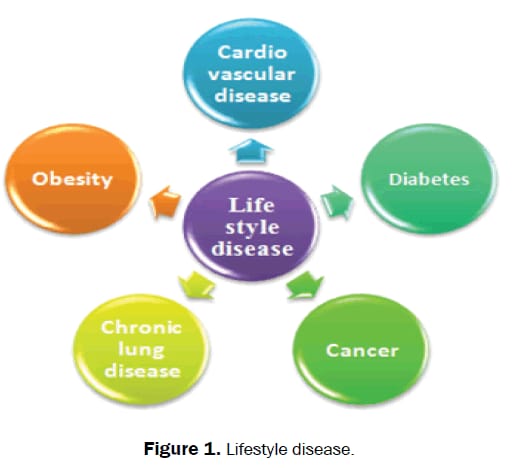
Lifestyle diseases: In the past, most health issues in Kenya were linked to infectious diseases such as malaria, tuberculosis, and cholera. But in recent years, the health landscape has shifted dramatically. Today, more and more people are facing a different kind of health threat—lifestyle diseases in Kenya are silently taking over, especially in urban areas.
These conditions, often preventable, are now among the leading causes of death and disability across the country. From high blood pressure to diabetes, obesity to heart disease, many of these illnesses are directly linked to how we live, eat, and move.
Understanding the Rise of Lifestyle and Diet-Related Illnesses.
Lifestyle diseases are health conditions caused or worsened by how we live. They often result from poor diet choices, physical inactivity, smoking, excessive alcohol consumption, and chronic stress.
In Kenya, the fast-paced shift from traditional meals to modern diets rich in sugar, salt, and fat has played a major role in this health crisis. At the same time, more people are working desk jobs, relying on motor transport, and spending hours in front of screens—reducing daily physical activity.
Common Lifestyle diseases in Kenya
Let’s take a closer look at some of the most common diseases linked to modern lifestyles and poor eating habits:
- Obesity and Overweight.
Many Kenyans, especially in urban centers like Nairobi, Mombasa, Eldoret, Nakuru and Kisumu, are now overweight or obese due to high consumption of fast foods and sugary drinks. Combined with low levels of exercise, this leads to weight gain and higher risk for other diseases.
- Hypertension (High Blood Pressure)
Once considered a disease of the elderly, high blood pressure now affects even young adults. It is closely linked to diets high in salt and processed foods, as well as stress and sedentary lifestyles.
- Type 2 Diabetes.
Poor dietary choices—such as excess sugar intake and low fiber consumption—are major triggers for type 2 diabetes. This illness is becoming increasingly common in Kenya and often goes undiagnosed until serious complications arise.
- Heart Disease.
Unhealthy fats, cholesterol, and a lack of exercise can clog arteries and lead to heart attacks and strokes. Heart disease is now one of the leading causes of death in Kenya, affecting people as young as 30.
- Certain Cancers.
Some types of cancer, such as colon and breast cancer, have been linked to diet and lifestyle. For instance, processed meat, alcohol, and lack of vegetables in meals can increase cancer risks.
Factors fuelling lifestyle diseases.
Several interconnected issues have contributed to the rise of lifestyle and bad diet related illnesses in Kenya:
Urbanization and Modernization.
With rapid urban growth, many Kenyans now rely on fast food, frozen meals, and sugary snacks. These are often more convenient than cooking traditional, healthier meals at home.
Lack of Awareness.
Many people are unaware of the long-term effects of poor dietary choices. Nutrition education is still lacking in schools and communities, and food labels are often ignored.
Sedentary Lifestyles.
With technology making life easier, physical activity has reduced drastically. People now use vehicles even for short distances and spend hours seated in offices or watching TV.
Economic Challenges.
Ironically, both poverty and rising incomes contribute to the problem. Low-income families often buy cheap, unhealthy foods, while middle-income earners tend to indulge in processed and fast foods.
How to Reverse the Trend.
Tackling lifestyle disease in Kenya requires action at both individual and national levels. Here’s what can help:
- Education and Awareness.
Health campaigns should focus on teaching people about nutrition, exercise, and stress management. Schools, workplaces, and churches can play a key role in spreading awareness.
- Policy Changes.
The government can help by regulating junk food advertising, especially to children, and encouraging food manufacturers to use healthier ingredients.
- Community-Based Fitness.
Encouraging neighborhood walks, affordable gyms, and sports clubs can help people stay active without major cost.
- Improved Food Choices.
Individuals should aim to:
Eat more fruits and vegetables
Choose whole grains instead of refined ones
Drink water instead of sugary drinks
Limit red and processed meats
Reduce salt and sugar intake.
Kenya is at a critical crossroads. If the trend of unhealthy living continues, the country will face a major health burden in the coming years. However, the good news is that many lifestyle and bad diet related illnesses in Kenya are preventable.
With the right knowledge, support, and small daily changes, we can all take charge of our health. Whether it’s walking more, cooking at home, or cutting down on sugar, every effort counts.
Let’s choose to live healthier—for ourselves, our families, and future generations.
