
Introduction: Why Cholesterol Matters More Than You Think?
Cholesterol is often misunderstood. For many people, the word “cholesterol” immediately sparks fear—often due to media headlines or confusing dietary advice. But here’s the truth: cholesterol is not inherently bad. In fact, your body needs it. The real challenge lies in understanding the difference between good and bad cholesterol, and how each type affects your overall health.
More importantly, as people look to manage their weight and adopt healthier lifestyles, understanding the role of cholesterol in weight loss becomes critical. Whether you’re aiming to lose fat, reduce belly size, or improve your energy levels, cholesterol plays a part in your metabolic health. This blog aims to break down everything you need to know, in clear, easy-to-understand language, backed by science and real-life examples.
What is Cholesterol? Understanding the Basics.
To begin, let’s define cholesterol.
Cholesterol is a waxy, fat-like substance found in every cell of your body. Your body uses it to build cell membranes, produce hormones, and help digest foods. Although it’s often villainized, cholesterol itself is not harmful. Problems arise only when there’s an imbalance.
Types of Cholesterol:
There are two primary types of cholesterol that you need to understand:
- Low-Density Lipoprotein (LDL) – This is often referred to as “bad cholesterol.”
- High-Density Lipoprotein (HDL) – This is commonly known as “good cholesterol.”
Let’s dive deeper into each.
Bad Cholesterol (LDL) – The Silent Threat.
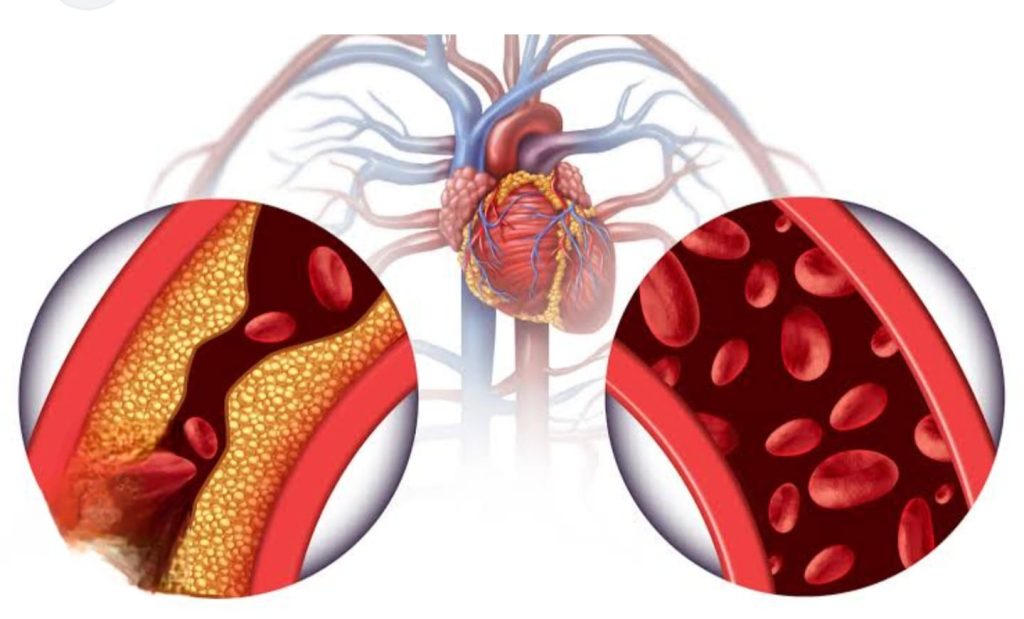
LDL cholesterol becomes a problem when it builds up in your arteries. Over time, this buildup can form plaques that narrow your blood vessels, making it harder for blood to flow. This condition is called atherosclerosis, and it significantly increases your risk of heart attack and stroke.
What Causes High LDL?
Several factors contribute to elevated LDL levels:
Diets high in saturated fats and trans fats
Lack of physical activity
Smoking
Genetics
Being overweight or obese
Symptoms and Risks.
Unfortunately, high LDL doesn’t usually come with symptoms. That’s why it’s often called a “silent killer.” You won’t know your LDL levels are high unless you get a blood test. However, long-term risks include:
Coronary artery disease
Stroke
Peripheral artery disease
High blood pressure
How LDL Impacts Weight Loss.
Interestingly, cholesterol in weight loss plays a dual role. While LDL is harmful in excess, weight gain and poor dietary habits often elevate LDL levels. When you begin to lose weight, LDL levels can temporarily rise as stored fat (which contains cholesterol) is broken down. However, over time, a healthy lifestyle typically results in lower LDL and higher HDL levels.
Good Cholesterol (HDL) – Your Artery Protector.
HDL cholesterol works in the opposite way. It helps remove excess cholesterol from your blood and transports it to the liver for elimination. Essentially, HDL acts as a cleanup crew for your arteries.
How HDL Works.
Think of HDL as the “hero” of your bloodstream. It moves around, collecting bad cholesterol, and taking it away before it has a chance to cause damage. Higher HDL levels are associated with lower risks of cardiovascular disease.
Factors That Increase HDL.
The good news is, you can boost your HDL naturally by:
Exercising regularly
Eating healthy fats like omega-3s (found in fish, flaxseeds, and walnuts)
Avoiding trans fats
Quitting smoking
Limiting sugar intake
HDL and Weight Loss.
Here’s where the connection gets interesting again. As you start losing weight and improving your diet, HDL levels usually increase. Therefore, cholesterol in weight loss isn’t just about lowering bad cholesterol—it’s also about encouraging the good.
Knowing Your Numbers.
Before you can take control of your cholesterol levels, you must understand how they’re measured. A lipid panel (or lipid profile) is the standard blood test that checks your cholesterol levels.
What the Lipid Panel Includes:
- Total Cholesterol – The overall amount of cholesterol in your blood.
- LDL (Bad) Cholesterol – Should be low.
- HDL (Good) Cholesterol – Should be high.
- Triglycerides – A type of fat in your blood; high levels can increase heart disease risk.
Healthy Cholesterol Ranges:
Component Healthy Range
Total Cholesterol Below 200 mg/dL
LDL Cholesterol Below 100 mg/dL
HDL Cholesterol Above 60 mg/dL
Triglycerides Below 150 mg/dL
Knowing your numbers empowers you to take actionable steps. If your cholesterol levels are outside the healthy range, don’t panic. With the right lifestyle changes, most people can improve their lipid profile significantly.
What to Eat and What to Avoid.
By choosing the right foods, you can increase your HDL and lower your LDL effectively.
Foods That Help Lower low-density lipoprotein – Good for you
Oats and barley – High in soluble fiber
Fatty fish – Like salmon, tuna, and sardines (rich in omega-3s)
Nuts – Almonds, walnuts, and pistachios
Beans and lentils – Packed with fiber and plant-based protein
Fruits like apples, grapes, and citrus – Full of soluble fiber
Foods That Raise LDL (low-density lipoprotein) – Avoid these
Red meat – Especially processed meats like sausages
Fried foods – Particularly those cooked in trans fats
Baked goods – Such as cakes, pies, and pastries with hydrogenated oils
Full-fat dairy – Cream, butter, and whole milk
Sugary drinks and snacks – High sugar intake leads to higher triglycerides
Transitioning to a Heart-Healthy Diet.
Instead of attempting drastic changes overnight, make small, sustainable shifts. For instance, switch from white bread to whole grains, or replace red meat with grilled fish once or twice a week. These changes add up over time.
Cholesterol and Exercise – Moving Toward Better Health.
Physical activity is one of the most effective ways to improve your cholesterol profile.
How Exercise Impacts C:
Boosts HDL (Good): Regular aerobic exercise helps increase your HDL levels.
Lowers LDL (Bad): Exercise can reduce the total LDL in your bloodstream.
Reduces Triglycerides: Regular activity helps burn fat more efficiently.
Best Types of Exercise for Cholesterol:
- Aerobic Workouts – Like walking, swimming, or biking
- Strength Training – Builds lean muscle and boosts metabolism
- HIIT (High-Intensity Interval Training) – Combines short bursts of activity with rest, great for heart health
How Much Exercise Do You Need?
Aim for 150 minutes of moderate-intensity exercise per week.
Or, 75 minutes of vigorous activity if your schedule is tight.
Remember, cholesterol in weight loss isn’t just about what you eat—it’s about how you move. Regular movement helps your body use fat stores more efficiently, balancing cholesterol naturally.
Debunking Common Myths About Cholesterol.
Many people fall prey to misleading information. Let’s debunk some popular myths:
Myth 1: All Cholesterol is Bad
Fact: Your body needs cholesterol for hormones, vitamin D, and digestion. It’s not all bad.
Myth 2: Thin People Don’t Have Cholesterol Problems
Fact: Even lean individuals can have high cholesterol due to genetics or poor diet.
Myth 3: You Can’t Change Your Cholesterol Without Medication
Fact: Diet, exercise, and lifestyle changes can dramatically improve cholesterol levels in most people.
Myth 4: Eating Eggs Raises Cholesterol.
Fact: Eggs are high in dietary cholesterol, but they don’t raise blood cholesterol for most people. Focus on saturated fats and trans fats instead.
By separating fact from fiction, you can take better control of your health.
The Link Between Cholesterol and Weight Loss.
cholesterol in weight loss.
How Cholesterol and Body Weight Are Connected
Being overweight often leads to:
Higher LDL
Lower HDL
Increased triglycerides
As you lose weight, especially belly fat, your body becomes more efficient at processing and eliminating cholesterol.
The Science Behind It.
Fat cells aren’t just passive storage units; they actively produce inflammatory chemicals that worsen cholesterol balance. When you lose fat, especially visceral fat (the fat around organs), these harmful effects decrease.
Key Benefits of Weight Loss on Cholesterol:
Improved HDL Levels – Even a 5-10% drop in weight boosts HDL
Reduced LDL and Triglycerides
Better Insulin Sensitivity – Which helps regulate lipid levels
So if you’re struggling with weight, remember this: cholesterol in weight loss is not just a side benefit—it’s a primary reason to stay committed to your goals.
Medications and Natural Supplements.
Sometimes, diet and exercise aren’t enough, especially when genetics play a role.
Natural Supplements That May Help:
Plant Sterols – Found in fortified foods and supplements
Soluble Fiber (e.g., psyllium husk) – Helps block cholesterol absorption
Omega-3 Fatty Acids – Found in fish oil or flaxseed oil
Niacin (Vitamin B3) – May boost HDL, though use under supervision
Always talk to your doctor before starting any supplement or medication.
Building a Friendly Lifestyle.
Now that you understand the science, it’s time to turn knowledge into action.
Lifestyle Tips for Better overall health:
- Eat more fiber – Aim for about 25–30g daily.
- Cook with olive oil or avocado oil.
- Avoid smoking and excessive alcohol.
- Read food labels carefully.
- Replace red meat with legumes.
- Add healthy fats like nuts and seeds.
- Walk at least 30 minutes a day.
- Limit sugar-sweetened beverages.
- Get regular medical tests -lipid panel or lipoprotein panel
- Track your weight and progress monthly.
Small daily choices create long-term health victories. By combining good nutrition, physical activity, and informed decisions, you can keep your cholesterol in check for life.
In conclusion, The Power is in Your Hands.
Cholesterol doesn’t have to be confusing or scary. Once you understand the difference between LDL and HDL —and how to manage them—you gain control over your health, energy, and longevity.
And remember, maintaining stable levels of different types of fat, or lipids, in your blood is a life-saving strategy. As you shed pounds, improve your diet, and move more, your body rewards you with better health.
Don’t wait for a health scare to start caring. Your future self will thank you for the choices you make today.
Read more from authorities:
